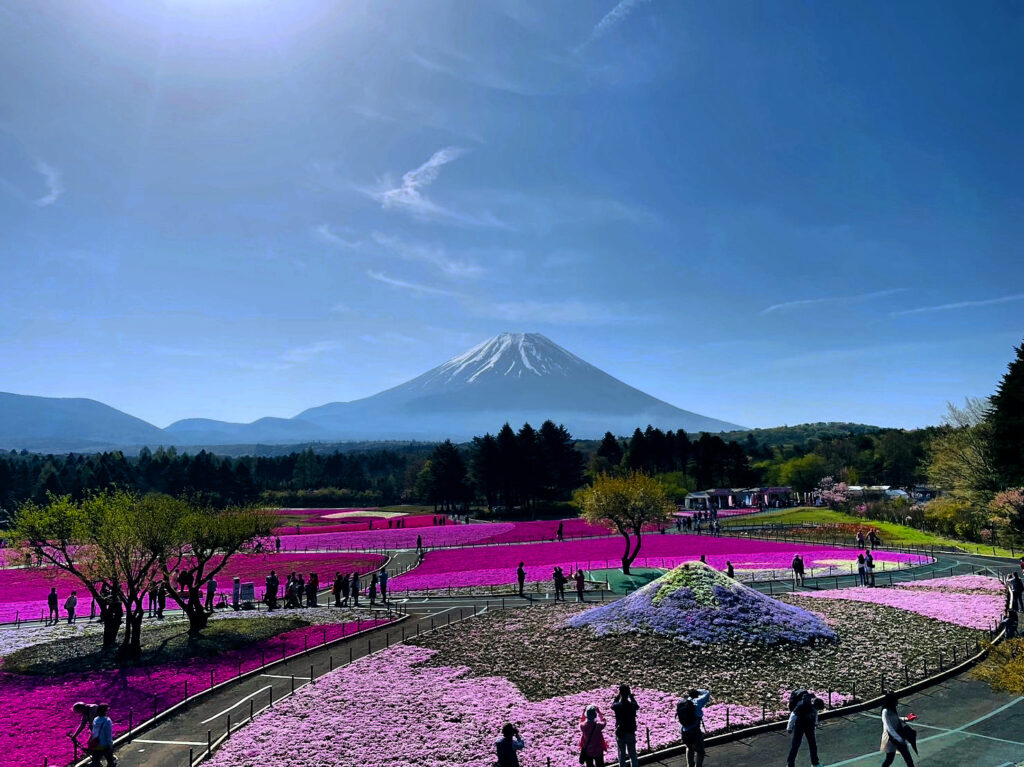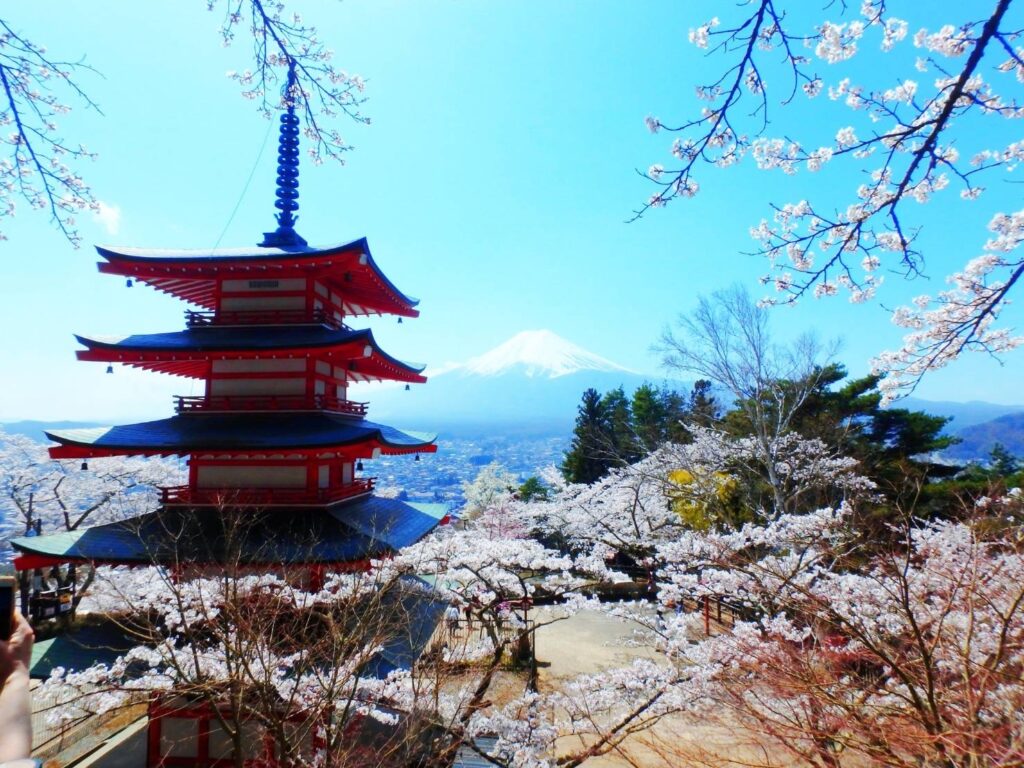
Many travelers think of Mt. Fuji as a single sightseeing spot, but the Mt. Fuji area is much wider and more complex than it first appears.
Living near Mt. Fuji, I often meet visitors who are surprised by how different the experience is from what they imagined. The weather, the pace of life, and even simple things like transportation or dining hours can feel very different from major cities in Japan.
In this article, I share important things to know before visiting the Mt. Fuji area — not from guidebooks, but from everyday observations and experiences gained by living nearby. Understanding these points in advance can help you plan a calmer, more enjoyable trip and avoid small frustrations that many first-time visitors face.
Quick Navigation
- 1 Mt. Fuji Is Not Always Visible
- 2 The Temperature Difference Is Bigger Than You Think
- 3 Distances Look Short, but Travel Takes Time
- 4 The Mt. Fuji Area Is Quieter Than Most People Expect
- 5 Crowds Exist — but Only in Certain Places
- 6 You Don’t Need a Packed Schedule to Enjoy the Area
- 7 Final Thoughts — Visiting Mt. Fuji Is More Than Just Seeing the Mountain
Mt. Fuji Is Not Always Visible
One of the biggest misunderstandings about Mt. Fuji is the idea that it is always clearly visible.
From a local perspective, this is something travelers are often surprised by. Even when the weather looks fine, the mountain can suddenly disappear behind clouds, especially during certain seasons or times of day.
Weather Changes Quickly Around the Mountain
Mt. Fuji has its own weather patterns, and conditions can change much faster than people expect.
I’ve seen many days when Mt. Fuji was visible in the early morning, only to be completely covered by clouds a few hours later. This can happen even when the surrounding areas feel calm and sunny.
Because of this, relying on a single plan or assuming the view will always be there can lead to disappointment. Flexibility is important when visiting the Mt. Fuji area.
To help with this, I regularly share real-time views of Mt. Fuji on the Slow Trip Japan Instagram Stories, showing how the mountain looks on that day — whether it’s clear, cloudy, or completely hidden.
This gives a more realistic sense of how quickly conditions change, especially for travelers planning their visit.
If you want to check the daily atmosphere around Mt. Fuji, feel free to follow Slow Trip Japan on Instagram.
Why Clear Mornings Matter More Than Afternoon Plans
From my experience living near Mt. Fuji, mornings tend to offer the best chance of seeing the mountain clearly.
As the day goes on, clouds often begin to form around the mountain, especially in warmer months. This is why locals often recommend viewing Mt. Fuji earlier in the day rather than saving it for the afternoon.
If seeing Mt. Fuji is a priority for your trip, planning outdoor activities and viewpoints in the morning can make a noticeable difference. Even small adjustments in timing can completely change the experience.
The Temperature Difference Is Bigger Than You Think
Many visitors are surprised by how much colder the Mt. Fuji area can feel compared to nearby cities.
Even around Lake Kawaguchi or Lake Yamanakako — areas already known for cooler weather — the temperature can drop significantly depending on altitude, time of day, and season. This difference becomes even more noticeable as you move closer to Mt. Fuji.
From my experience living in the area, a temperature gap of around 10°C is not unusual, especially when comparing mornings and evenings or higher locations such as the 5th Station.
Even Summer Can Feel Cold Near Mt. Fuji
Summer in Japan is often associated with heat and humidity, but the Mt. Fuji area can feel very different.
I’ve experienced days when it felt comfortable near the lakes, only to feel unexpectedly cold after driving higher up or staying outside for a longer period. Wind can also make the temperature feel much lower than expected.
Because of this, even in summer, having a light jacket or an extra layer can make your visit much more comfortable.
Why Layers Are More Important Than Fashion
When visiting the Mt. Fuji area, practicality matters more than style.
Temperatures can change quickly throughout the day, and being able to add or remove layers makes it easier to adapt. This is especially important if you plan to move between different locations, such as lakeside areas and higher viewpoints.
From a local perspective, wearing layers is one of the simplest ways to avoid discomfort and enjoy the area without worrying too much about sudden weather changes.
Distances Look Short, but Travel Takes Time
When looking at a map, the Mt. Fuji area often appears compact and easy to move around. However, the actual travel time can be longer than many visitors expect.
Living near Mt. Fuji, I often see travelers surprised by how much time it takes to move between lakes, stations, and sightseeing spots. Roads are not always direct, and public transportation does not run as frequently as it does in major cities.
Because of this, planning too many stops in a single day can quickly become stressful rather than enjoyable.
Public Transportation Is Limited in Some Areas
While trains and buses do exist around the Mt. Fuji area, they are more limited compared to urban areas like Tokyo.
Buses may run only once every hour, and some locations require careful timing to avoid long waits. I’ve seen visitors miss buses and end up waiting much longer than expected, especially in quieter areas near the lakes.
If you plan to rely on public transportation, checking schedules in advance and allowing extra time between destinations can make a big difference.
Why Simple Day Trips Can Take Longer Than Expected
Even short trips can take longer due to traffic, weather conditions, or seasonal crowds.
On busy days, especially during peak travel seasons, roads around popular spots can become congested. What looks like a short drive on a map may turn into a slow journey.
From a local perspective, it’s often better to focus on fewer places and spend more time at each one. This approach not only reduces travel stress but also fits naturally with a slower, more relaxed way of exploring the Mt. Fuji area.
The Mt. Fuji Area Is Quieter Than Most People Expect
Many visitors imagine the Mt. Fuji area as lively and busy all day, similar to major tourist cities in Japan. In reality, it is much quieter than people expect.
Living near Mt. Fuji, this contrast is something I notice often. Once you move away from the most famous spots, the area quickly becomes calm and slow-paced. This quiet atmosphere is part of what makes the region special, but it can surprise first-time visitors.
Understanding this in advance helps set the right expectations and allows you to enjoy the area more comfortably.
Shops and Restaurants Close Early
One of the biggest surprises for travelers is how early shops and restaurants close.
In many areas around the Fuji Five Lakes, restaurants may close in the early evening, and some places stop serving food even earlier. Convenience stores exist, but dining options at night are limited compared to large cities.
From a local point of view, planning dinner earlier or checking restaurant hours ahead of time can prevent unnecessary stress, especially after a day of sightseeing.
Nightlife Is Very Limited Compared to Big Cities
If you are expecting nightlife similar to Tokyo or Osaka, the Mt. Fuji area may feel very quiet at night.
Bars, clubs, and late-night entertainment are rare, and evenings tend to be peaceful rather than lively. For some travelers, this can feel unexpected, but for others, it becomes one of the highlights of the trip.
The quiet nights, cool air, and slower rhythm are well suited for travelers who want to relax, unwind, and experience a calmer side of Japan.
Crowds Exist — but Only in Certain Places
The Mt. Fuji area is often described as crowded, but that description is only partly true.
From living nearby, I’ve noticed that crowds tend to concentrate in very specific locations. Famous viewpoints, major stations, and popular attractions can feel busy, especially during peak seasons. However, just a short distance away, the atmosphere often becomes much calmer.
Understanding this difference helps travelers avoid unnecessary stress and enjoy the area more fully.
Popular Spots vs. Everyday Local Areas
Well-known sightseeing spots naturally attract more visitors. These places are easy to access and widely shared online, so crowds are expected.
On the other hand, everyday local areas — small paths near the lakes, quiet neighborhoods, and less-promoted viewpoints — are often surprisingly peaceful. These are the places locals use for daily walks or short breaks, and they offer a very different experience from major tourist hubs.
Exploring beyond the most famous spots allows you to see a side of the Mt. Fuji area that many visitors miss.
If you’re interested in discovering quieter viewpoints that locals actually enjoy, there are still peaceful spots around Mt. Fuji that don’t appear in most guidebooks.
I’ve written a separate article introducing a hidden Mt. Fuji viewpoint known among locals — a calm place where you can enjoy the scenery without crowds and take your time in a relaxed atmosphere.
How Timing Changes the Entire Experience
Timing plays a huge role in how crowded an area feels.
Visiting popular spots early in the morning or on weekdays can make a noticeable difference. In contrast, the same place can feel completely different during midday or on weekends.
From a local perspective, adjusting your schedule — even slightly — is often more effective than changing your destination. The right timing can turn a busy location into a calm and enjoyable experience.
You Don’t Need a Packed Schedule to Enjoy the Area
When visiting the Mt. Fuji area, it’s easy to feel the need to see as much as possible in a short amount of time. However, packing too many stops into one day often leads to unnecessary stress.
From my experience living near Mt. Fuji, the area is best enjoyed at a slower pace. Spending more time in fewer places allows you to notice small details — the changing light on the mountain, the quiet lakeside atmosphere, or the rhythm of daily life around the area.
Rushing from one spot to another can make the trip feel busy, even though the surroundings are meant to be calm.
Why Staying in One Area Feels Better Than Rushing
Staying in one area for longer gives you more flexibility and less pressure.
Instead of constantly checking the time or transportation schedules, you can simply adjust your day based on the weather, your energy level, or what feels right at the moment. This is especially helpful around Mt. Fuji, where conditions can change quickly.
From a local perspective, some of the most enjoyable moments come from unplanned time — sitting by the lake, taking a short walk, or relaxing at a café without a strict schedule. These quieter moments often become the most memorable parts of the trip.
Slow Travel Works Especially Well Around Mt. Fuji
The Mt. Fuji area naturally fits a slower style of travel.
Unlike large cities where schedules and reservations often shape the day, this region encourages you to move at a gentler pace. The scenery changes with the weather, the light, and the time of day, and these small shifts are easier to appreciate when you’re not rushing.
From living nearby, I’ve learned that Mt. Fuji doesn’t always reveal itself on demand. Sometimes it appears clearly in the morning, sometimes only briefly, and sometimes not at all. Slow travel allows you to accept this unpredictability rather than fight it.
Spending time in one place, adjusting plans based on conditions, and allowing space for quiet moments often leads to a deeper and more satisfying experience around Mt. Fuji.
Final Thoughts — Visiting Mt. Fuji Is More Than Just Seeing the Mountain
Visiting the Mt. Fuji area is not only about finding the perfect viewpoint or checking famous spots off a list.
Understanding the local pace, the weather, and the daily rhythm of the area makes a real difference. Knowing what to expect — from visibility and temperature to crowds and travel time — helps you enjoy the region with fewer frustrations and more meaningful moments.
From a local perspective, Mt. Fuji is not a single destination but part of everyday life. Whether you spend time quietly by the lake, walk through less-crowded areas, or simply slow down and observe, these moments often leave a stronger impression than rushing through popular attractions.
By approaching the Mt. Fuji area with flexibility and a slower mindset, you can experience a calmer, more authentic side of Japan that many travelers overlook.