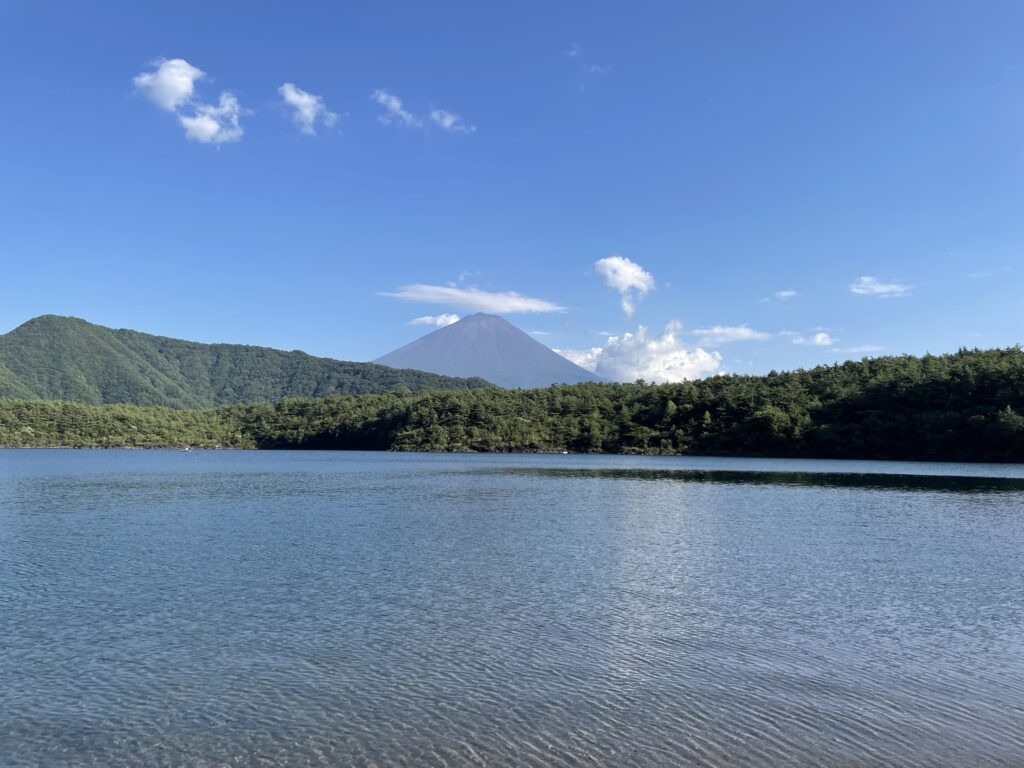
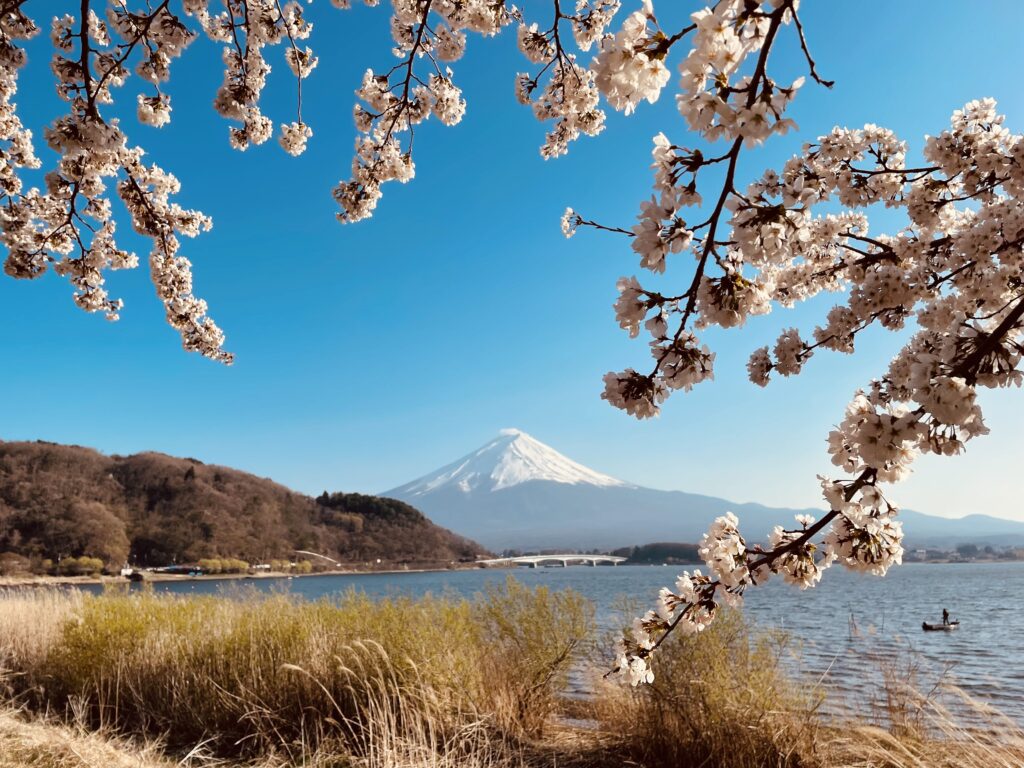
When many international travelers visit Yamanashi, they usually focus on famous places around Mt. Fuji and Kawaguchiko. However, not far from those busy tourist areas, there is another destination that offers a much slower and more relaxing experience — Isawa Onsen.
Known as one of Yamanashi’s most famous hot spring towns, Isawa Onsen has a very different atmosphere from the crowded sightseeing spots around Mt. Fuji. Instead of large tourist attractions, you’ll find quiet streets, traditional ryokan, local restaurants, and relaxing hot springs that feel connected to everyday Japanese life.
What I personally enjoyed most was the calm and nostalgic atmosphere of the area. Walking around the town felt much slower and quieter compared to places like Kawaguchiko, making it a good destination for travelers who want to experience a more traditional side of Japan.
During my visit, I stopped by Miyuki Onsen, a ryokan where I enjoyed a relaxing day-trip hot spring experience. Since I plan to visit more hot springs in the future, this guide will continue to grow as I explore more of the Isawa Onsen area over time.
If you are looking for a quieter onsen town, a relaxing break from sightseeing, or a more local Japanese travel experience, Isawa Onsen is definitely worth considering.
What Is Isawa Onsen?
A Famous Hot Spring Town in Yamanashi
Isawa Onsen is one of the most well-known hot spring towns in Yamanashi Prefecture. Located in Fuefuki City, the area has long been popular among Japanese travelers looking for a relaxing getaway with traditional hot spring experiences.
The town is filled with ryokan, hotels, public baths, and small local restaurants, creating a classic Japanese onsen town atmosphere. Compared to more internationally famous destinations near Mt. Fuji, Isawa Onsen feels quieter and more connected to local everyday life.
Because of its convenient location, many people visit from Tokyo for short overnight trips or relaxing weekend stays.
Why Visitors Come to Isawa Onsen
Most visitors come to Isawa Onsen for one simple reason — to slow down and relax.
Unlike sightseeing-focused destinations where people move quickly from one attraction to another, Isawa Onsen is more about enjoying a slower pace of travel. Travelers come here to soak in hot springs, stay in traditional ryokan, enjoy local food, and spend quiet time away from crowded tourist areas.
The area is also known for its comfortable atmosphere and easy access. Whether you stay overnight or only visit for a day trip bath experience, Isawa Onsen offers a calm side of Japan that many travelers may not experience in larger cities.
For people interested in Japanese culture, hot spring towns like this can become one of the most memorable parts of a trip.
The Relaxed Atmosphere Compared to Bigger Tourist Areas
One thing that stood out to me during my visit was how peaceful the atmosphere felt compared to places like Kawaguchiko or central Tokyo.
There were fewer large crowds, less noise, and a much slower rhythm to the town. Walking through the streets felt relaxing rather than busy, and many of the people around me seemed to be enjoying a quiet break rather than rushing between sightseeing spots.
That slower atmosphere is probably one of Isawa Onsen’s biggest strengths.
Instead of focusing on famous landmarks or nonstop activities, the town encourages visitors to simply enjoy the experience of being there — soaking in hot springs, walking around at night, eating local food, and taking time to rest.
For travelers looking for a quieter and more traditional side of Japan, Isawa Onsen can feel very refreshing.
My Visit to Isawa Onsen
First Impressions of the Town
When I first arrived in Isawa Onsen, the atmosphere immediately felt different from the busy tourist areas around Mt. Fuji. The town was calm, quiet, and much more relaxed than places filled with sightseeing crowds.
Instead of large attractions or packed streets, I saw traditional ryokan, local restaurants, small shops, and people slowly enjoying their time. The overall mood of the area felt peaceful, almost like stepping into a slower version of Japan that many international travelers may not usually experience.
What I personally liked was that the town did not feel overly commercial or designed only for tourists. It still felt like a place where local life naturally continues alongside visitors enjoying the hot springs.
Walking Around the Area
Walking around Isawa Onsen was one of the most enjoyable parts of the visit for me.
The streets are relatively easy to explore on foot, and the slower pace of the town makes casual walks feel relaxing rather than tiring. As I walked around, I noticed traditional ryokan buildings, quiet side streets, local cafés, and small details that gave the area a nostalgic atmosphere.
Compared to major tourist destinations where people often rush from place to place, Isawa Onsen felt like a destination where it is perfectly okay to slow down without having a strict plan.
Even simple things like walking between hot springs or exploring the neighborhood after a bath became part of the experience.
The Quiet and Local Feel of Isawa Onsen
One of the things that impressed me most was how local the town still felt.
While Isawa Onsen is well known within Japan, it did not feel crowded with international tourism in the same way as places like Kawaguchiko. Because of that, the atmosphere felt more natural and less rushed.
Many visitors seemed to be Japanese travelers enjoying quiet vacations, relaxing in ryokan, or spending time in the hot springs. That local feeling made the experience feel more authentic to me.
For travelers who enjoy calm destinations, traditional atmosphere, and slower travel experiences, Isawa Onsen offers a side of Japan that feels very different from the country’s bigger tourist hotspots.
Day Trip Hot Springs I Recommend
Miyuki Onsen — A Relaxing Day Trip Bath Experience
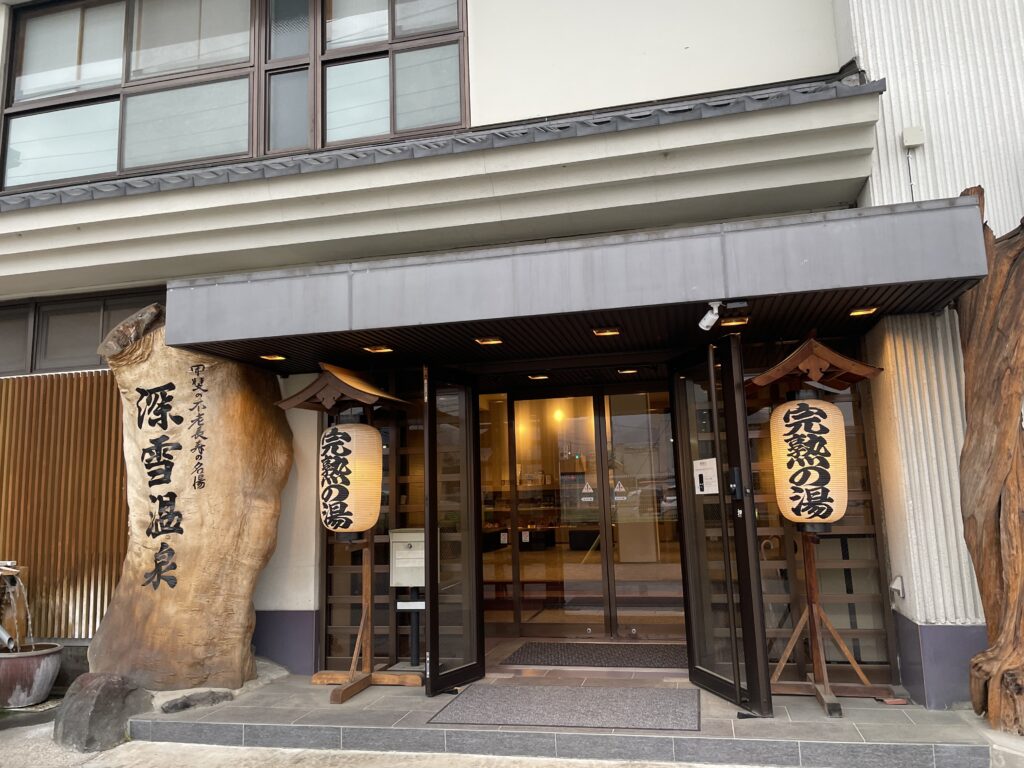
During my visit to Isawa Onsen, I stopped by Miyuki Onsen, a traditional ryokan where visitors can also enjoy a day-trip hot spring experience without staying overnight.
One reason I chose this place was because it felt quieter and more relaxed compared to larger tourist-oriented facilities. The atmosphere was calm from the moment I arrived, making it easy to slow down and enjoy the experience.
Miyuki Onsen is especially known for its natural hot spring water, and many people visit specifically to enjoy the quality of the baths. For travelers who want to experience a more traditional Japanese hot spring without the crowds of major tourist destinations, it felt like a very comfortable place to visit.
It was also a good reminder that some of the best onsen experiences in Japan are not always the most famous ones.
The Atmosphere Inside the Ryokan
Inside the ryokan, the atmosphere felt traditional, quiet, and welcoming.
Compared to modern hotel-style facilities, Miyuki Onsen had a more classic Japanese feel, which made the experience feel more authentic. The slower pace of the environment matched the overall atmosphere of Isawa Onsen itself.
After entering, I could immediately feel the calmness of the place. There were guests quietly relaxing, and the atmosphere encouraged people to slow down rather than rush through the experience.
For international travelers looking for a more peaceful and traditional side of Japanese onsen culture, places like this can feel much more memorable than large commercial bath facilities.
My Honest Thoughts After Visiting
After visiting Miyuki Onsen, I felt that Isawa Onsen is a destination that becomes more enjoyable when you stop trying to “do sightseeing” and simply relax.
The hot spring experience itself was very comfortable, but what stayed with me most was the overall atmosphere of the town and the slower pace of the day.
Rather than focusing on famous landmarks or busy tourist attractions, Isawa Onsen felt like a place where you can enjoy simple experiences — soaking in hot water, walking through quiet streets, and taking a break from crowded travel schedules.
I would definitely like to visit more day-trip hot springs in the area in the future, and I think Isawa Onsen has a lot of hidden charm for travelers who enjoy slower and more local experiences in Japan.
Things to Enjoy Around Isawa Onsen
Foot Baths and Small Local Spots
One of the enjoyable parts of visiting Isawa Onsen is that you do not always need a strict sightseeing plan. Simply walking around the area and discovering small local spots can already feel relaxing.
Around the town, you may find foot baths, quiet streets, traditional ryokan buildings, and small places that give the area its nostalgic atmosphere. These simple experiences are part of what makes Japanese onsen towns feel special.
Compared to larger tourist destinations filled with major attractions, Isawa Onsen feels more personal and slower paced. Even short walks between hot springs or local shops can become memorable moments during the trip.
Cafes, Snacks, and Local Food
Isawa Onsen is also a nice place to enjoy local food and small cafés at a relaxed pace.
Rather than large tourist restaurants, many places in the area feel more local and casual, which matches the calm atmosphere of the town. Stopping for coffee, snacks, or a simple meal between hot spring visits can become an enjoyable part of the experience itself.
Yamanashi is known for regional foods such as houtou noodles, local fruits, and Japanese sweets, so the area can also be a good opportunity to try local flavors while traveling.
Instead of rushing from one famous spot to another, Isawa Onsen encourages visitors to enjoy slower and simpler travel experiences.
→ Yamanashi Foods I Personally Recommend as a Local Resident
A Good Place to Slow Down During Your Japan Trip
For many travelers, Japan trips can become very busy — moving between cities, visiting crowded attractions, and following packed schedules every day.
That is why I think Isawa Onsen works so well as a place to slow down for a while.
The town has a calm atmosphere that makes it easy to relax both physically and mentally. Spending time in hot springs, walking quietly through the area, and taking breaks at local cafés creates a very different feeling from the fast pace of Tokyo or heavily visited sightseeing areas.
If you want to experience a quieter and more peaceful side of Japan during your trip, Isawa Onsen is a destination that fits perfectly into a slower style of travel.
Why Isawa Onsen Feels Different from Kawaguchiko
Less Crowded and More Relaxed
One of the biggest differences I noticed between Isawa Onsen and Kawaguchiko was the overall pace of the atmosphere.
Kawaguchiko is one of the most famous tourist destinations near Mt. Fuji, so it often feels busy with sightseeing buses, popular photo spots, and large numbers of international visitors. While that energy can be exciting, it can also feel crowded, especially during weekends and peak travel seasons.
Isawa Onsen felt much calmer in comparison. The streets were quieter, the pace of the town felt slower, and the overall atmosphere encouraged relaxation rather than nonstop sightseeing.
For travelers who sometimes feel tired after visiting crowded tourist areas, Isawa Onsen can feel like a refreshing break.
A More Traditional Japanese Onsen Town Atmosphere
Another thing that makes Isawa Onsen different is its more traditional hot spring town atmosphere.
While Kawaguchiko is strongly connected to Mt. Fuji tourism, Isawa Onsen feels more focused on the classic Japanese experience of relaxing in ryokan, enjoying hot springs, and spending quiet time in the town itself.
Walking through the area, I noticed more traditional-style inns, slower evenings, and a local atmosphere that felt less centered around major tourist attractions.
That nostalgic feeling is part of what makes Isawa Onsen memorable. Instead of feeling like a sightseeing destination built around famous landmarks, it feels like a place where people come simply to rest and enjoy the slower side of Japan.
Great for Travelers Looking for a Quiet Experience
I think Isawa Onsen is especially good for travelers who prefer quieter destinations and slower travel experiences.
Not everyone wants to spend every day surrounded by crowds or constantly moving between famous tourist spots. Some people simply want a peaceful place to relax, enjoy hot springs, and experience local Japanese culture at a slower pace.
Isawa Onsen fits that style of travel very well.
Whether you visit for a day trip or stay overnight in a ryokan, the town offers a more relaxed and local atmosphere that feels very different from many of Japan’s larger tourist destinations.
Things to Know Before Visiting
Best Time to Visit
Isawa Onsen can be enjoyed throughout the year, but the atmosphere changes depending on the season.
Spring and autumn are especially comfortable for walking around the town because the temperatures are mild and relaxing. Autumn can feel particularly pleasant after soaking in a hot spring, while winter offers a cozy onsen atmosphere that many travelers imagine when thinking about traditional Japan.
Summer is warmer, but it can still be a good time to visit if you want a slower and quieter experience away from heavily crowded tourist spots near Mt. Fuji.
Compared to seasonal sightseeing destinations, Isawa Onsen is less about a specific season and more about enjoying the relaxing atmosphere whenever you visit.
Day Trip Onsen Etiquette Tips
If you are visiting a Japanese hot spring for the first time, there are a few basic etiquette points to remember.
Before entering the bath, it is important to wash your body thoroughly in the shower area. Towels should not be placed inside the bath water, and most people enter the baths quietly to keep the atmosphere relaxing for everyone.
Some hot springs may also have tattoo policies, so checking in advance is recommended if you have tattoos.
For travelers unfamiliar with Japanese onsen culture, the rules may feel slightly intimidating at first, but most places are very welcoming once you understand the basic etiquette.
If you would like a more detailed explanation, I also wrote a separate guide about Japanese onsen etiquette and how to use hot springs in Japan.
→ Japanese Onsen Etiquette and manner from a Local
How to Get to Isawa Onsen from Tokyo or Kawaguchiko
Isawa Onsen is relatively easy to access from both Tokyo and the Mt. Fuji area.
From Tokyo, many travelers take a train toward Yamanashi and reach Isawa-Onsen Station in a few hours, making it a popular short getaway destination.
From Kawaguchiko, driving is often the easiest option because it allows more flexibility when exploring both the Mt. Fuji area and Yamanashi hot spring towns. Depending on traffic and your route, the drive is usually manageable as part of a larger road trip around the region.
→ Check rental car options near Kawaguchiko here.
For travelers planning a slower trip through Yamanashi, combining Kawaguchiko and Isawa Onsen can create a very balanced travel experience — mixing famous Mt. Fuji scenery with a quieter traditional hot spring town atmosphere.
Where to Stay in Isawa Onsen
Traditional Ryokan Experiences
One of the best ways to experience Isawa Onsen is by staying overnight in a traditional Japanese ryokan.
Many ryokan in the area offer classic Japanese-style rooms, relaxing hot spring baths, and meals that highlight local ingredients from Yamanashi. Compared to modern business hotels, staying in a ryokan feels much more connected to traditional Japanese travel culture.
Even simple experiences — changing into a yukata, relaxing after a bath, or walking quietly through the town at night — can become memorable parts of the trip.
For international travelers looking to experience a more traditional side of Japan, Isawa Onsen is a good place to enjoy that atmosphere at a slower pace.
Why Staying Overnight Changes the Experience
Although day-trip hot springs are enjoyable, I think staying overnight changes the atmosphere completely.
During the evening, the town becomes even quieter, and the slower rhythm of the area becomes easier to appreciate. Instead of rushing back after a bath, you can take your time, enjoy dinner, relax in the hot springs multiple times, and experience the peaceful atmosphere of the town at night.
Many Japanese onsen towns feel very different after sunset, and Isawa Onsen is no exception. Spending a night there allows you to enjoy the area in a much more relaxed way.
→ Check ryokan and hotel availability in Isawa Onsen here.
Recommended for a Slower Japan Trip
I think Isawa Onsen is especially suitable for travelers who want a quieter and more relaxing style of travel in Japan.
Rather than focusing only on famous sightseeing spots, the area offers a chance to slow down, enjoy local culture, and experience everyday Japanese atmosphere through hot springs, ryokan stays, and peaceful walks around town.
For people visiting busy places like Tokyo, Osaka, or Kawaguchiko, spending time in Isawa Onsen can feel like a refreshing change of pace.
It may not be the most famous destination in Japan, but that quieter and more local atmosphere is exactly what makes it memorable.
Final Thoughts — A Slower and More Relaxing Side of Yamanashi
When people think about traveling in Yamanashi, many immediately imagine Mt. Fuji and the Fuji Five Lakes area. However, after visiting Isawa Onsen, I realized that the prefecture offers another side of travel that feels much slower and more relaxing.
Instead of focusing on crowded sightseeing spots or busy travel schedules, Isawa Onsen is a place where simple experiences become the highlight — soaking in hot springs, walking through quiet streets, enjoying local food, and taking time to rest.
What I personally liked most was the calm atmosphere and the feeling that the town still reflects everyday local life rather than only tourism.
Since I plan to continue visiting more hot springs in the area, I hope to keep updating this guide over time as I discover more day-trip baths, local spots, and experiences around Isawa Onsen.
For travelers looking to experience a quieter and more traditional side of Japan, Isawa Onsen is definitely worth adding to the itinerary.
If you’d like to know about hot springs in Kawaguchiko or Yamanakako where you can see Mt. Fuji, please check out this article.
→ My Go-To Onsen in the Fuji Five Lakes – From Popular Picks to Hidden Gems